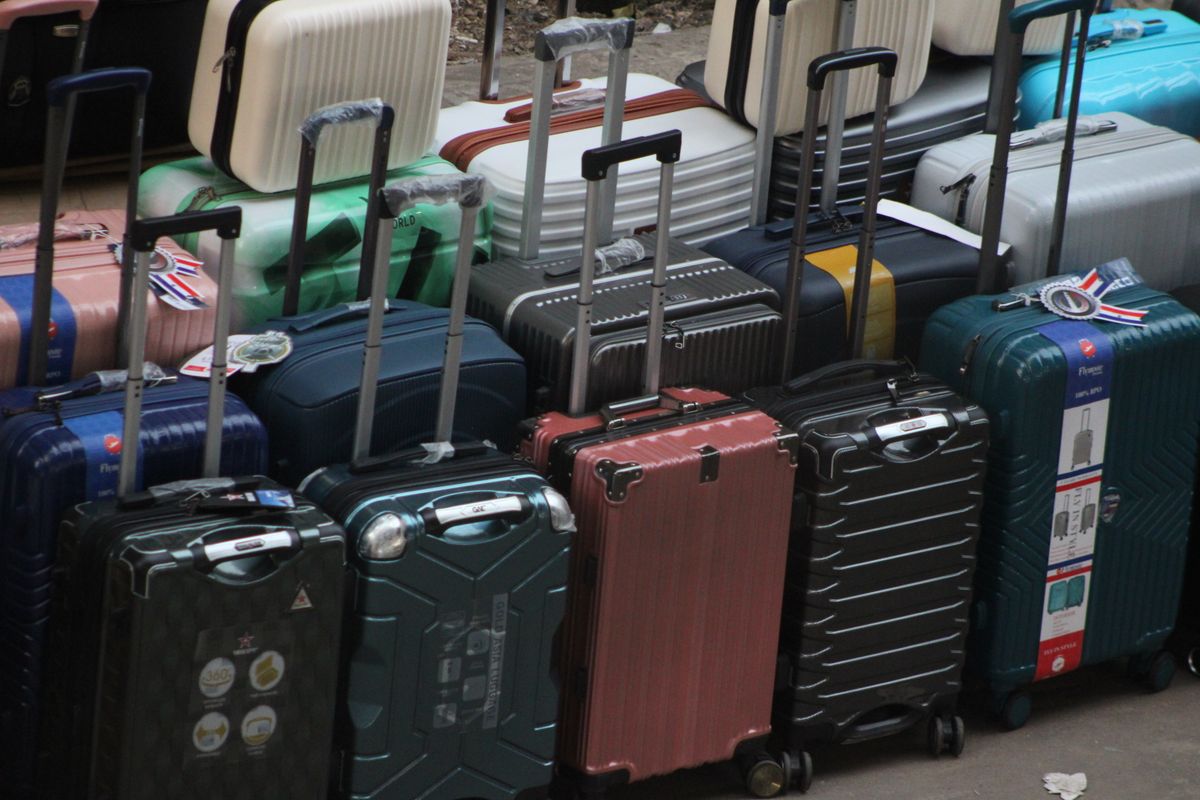
Baggage is one of the most common places travelers get an unpleasant surprise at the airport — not because the rules are secret, but because they vary by airline, fare class, and route more than people assume.
Typical carry-on size limits
Most major US airlines allow a carry-on bag around 22 x 14 x 9 inches (roughly 56 x 36 x 23 cm), plus one personal item (a purse, backpack, or laptop bag) that fits under the seat — but this isn't universal. Some airlines, especially budget carriers, use smaller dimensions or charge separately for a full-size carry-on, treating only the personal item as free. Always check your specific airline's current published dimensions rather than assuming the "standard" size applies.
Why Basic Economy changes things
On several major US airlines, Basic Economy fares restrict you to a personal item only, with no full-size carry-on included — bringing a standard roller bag to the gate on one of these fares can mean an unexpected gate-check fee. Confirm your specific fare's carry-on allowance before you pack, not after you've boarded.
Checked baggage fees
- Domestic US flights on most major carriers charge a fee for the first checked bag on standard economy fares, with international flights sometimes including one free checked bag depending on the airline, route, and fare class.
- Fee amounts vary by airline, route, and how you pay (many airlines charge less if you pay for a bag online in advance versus at the airport) — compare bag fees as part of your total cost when comparing fares, not just the base ticket price.
- Elite status and co-branded credit cards frequently waive the first checked bag fee, worth checking if you fly a particular airline often.
Weight limits, especially international
International flights, and some domestic budget carriers, enforce per-bag weight limits (commonly 50 lbs / 23 kg for checked bags) with steep overweight fees if you're even a pound or two over — weigh your bag at home before you leave if you're close to the limit.
How to avoid baggage surprises
- Check your specific airline's current carry-on and checked-bag policy before you pack, especially on a fare you haven't flown before.
- Confirm whether your fare class allows a full-size carry-on — Basic Economy and budget-carrier fares are the most likely to restrict it.
- Pre-pay for checked bags online when possible, since airport bag fees are almost always higher.
- Weigh checked bags at home if you're anywhere near the limit, particularly for international travel.
Independent flight booking assistance service. Not affiliated with any airline. This is a toll-free number, free to call from anywhere in the US.
Frequently Asked Questions
What is the standard carry-on bag size?
Roughly 22 x 14 x 9 inches is common among major US airlines, but it isn't universal — some airlines, especially budget carriers, use smaller limits or charge for a full-size carry-on. Always check your specific airline before packing.
Does Basic Economy include a carry-on bag?
Often not a full-size one. Many Basic Economy fares on major US airlines only include a personal item that fits under the seat, with a standard carry-on requiring an upgrade or a gate-check fee.
How much does a checked bag cost?
It varies significantly by airline, route, and how you pay — paying online in advance is typically cheaper than paying at the airport. Compare this cost as part of your total fare, not as an afterthought.
What's the weight limit for a checked bag?
Commonly around 50 lbs (23 kg) on international flights and many domestic carriers, but this varies — overweight fees are steep, so weigh your bag at home if you're close to the limit.
Independent flight booking assistance service. Not affiliated with any airline. This is a toll-free number, free to call from anywhere in the US. Learn more