An international flight booking involves several checks that domestic travel does not. Get them wrong and you can be denied boarding at the gate with a valid ticket in hand — because the airline, not you, is liable for carrying a passenger without the right documents.
This is the full international travel checklist, in the order to work through it.
The short answer
Check your passport's validity first, because it is the requirement most likely to stop your trip, and it has the longest lead time to fix. Then confirm entry requirements for every country you touch — including layover countries. Then match your name to your passport exactly, and book.
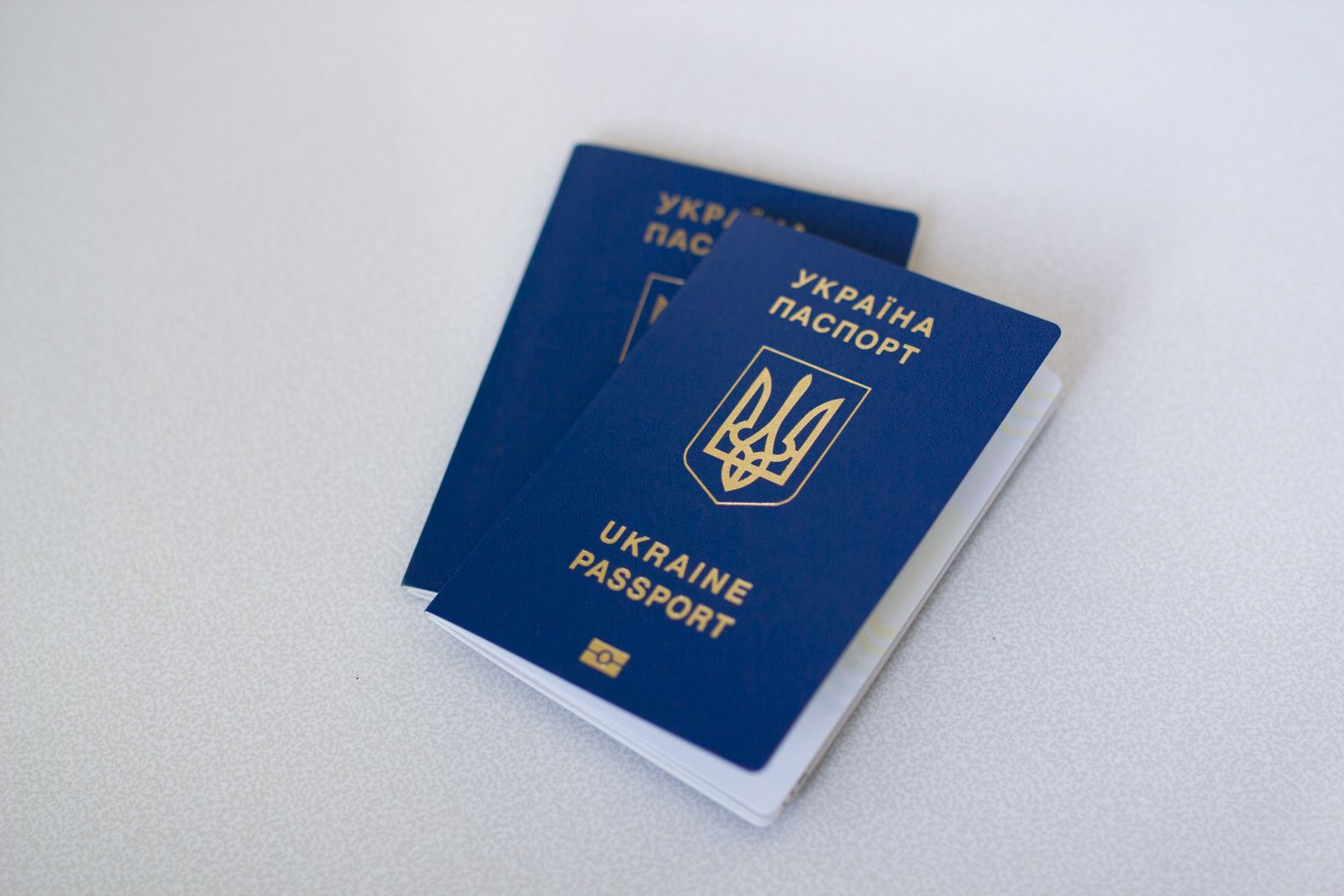
1. Check your passport validity — the six-month rule
This is the single most common reason travellers are turned away, and it catches people who assume a valid passport is enough.
Many countries require your passport to be valid for at least six months beyond your intended date of return, not just for the duration of your trip. Some require three months; a few require only that it is valid on entry. The rules vary by destination, and airlines enforce them at check-in.
Two practical points:
- Check the destination's requirement, not your own assumption. A passport expiring in four months is not valid for a trip to a country that requires six months of remaining validity.
- Renewal takes weeks. If you need a new passport, start now — expedited processing is available but costs more, and it is not instantaneous.
2. Confirm visa and entry requirements
Visas are destination-specific and change regularly, so check the official source for the country you are visiting rather than a general travel site. Depending on where you are going, you may need one of:
- A visa applied for in advance through the country's embassy or consulate
- A visa on arrival, sometimes requiring a fee and a passport photo
- An electronic travel authorisation — systems like ESTA for the US, ETA for Canada, and the EU's ETIAS scheme — applied for online before travel
- Nothing at all for short tourist stays, depending on your nationality
Note the distinction carefully: an electronic travel authorisation is not a visa, and holding one does not guarantee entry. The border officer makes the final decision in every case.
3. Match your name exactly
The name on your ticket must match the name on your passport, exactly. Not close — exact. That means:
- The same spelling, including any middle names shown on the passport
- Hyphens and spaces as they appear on the document
- No nicknames, no shortened forms, no titles
Corrections after ticketing can be expensive, and on some fares and airlines they are simply not permitted. Check the field carefully before you pay, not after.
If your name has recently changed — through marriage, for example — travel on the ticket matching whichever document you will present.
4. Check layover country requirements
This is the step most people miss. A connection through a third country can require a transit visa even though you never leave the airport.
- Some countries require a transit visa for certain nationalities, regardless of whether you stay airside.
- Some require you to clear immigration and re-check bags, which means you are entering the country and its entry rules apply.
- The US, Canada, the UK, and Australia all have specific transit rules worth checking for your nationality and passport.
Check every country your itinerary touches, not just the destination.
5. Real ID and domestic documents
If your trip involves a domestic leg in the US, note that Real ID requirements apply to domestic air travel. A standard driver's licence from a non-compliant state may not be accepted. A passport always works, as does a Real ID-compliant licence or a state ID marked accordingly.
If you are already travelling internationally you will have your passport with you, which resolves this — but it is worth knowing if you are booking a separate domestic connection.
6. Confirm what your destination needs on arrival
Beyond visas, some countries require additional documentation at the border:
- Proof of onward or return travel — a common requirement, and airlines may check it at check-in.
- Proof of accommodation for the first nights of your stay.
- Travel insurance, which some countries require as a condition of entry — and some specify a minimum coverage amount.
- Vaccination certificates, particularly yellow fever for certain regions.
- A completed arrival form or digital entry declaration, sometimes required before boarding.
Independent flight booking assistance service. Not affiliated with any airline. This is a toll-free number, free to call from anywhere in the US.
7. Consider fare flexibility more carefully than domestic
International fares are more restrictive and more expensive to change, and the sums involved are much larger. Worth confirming before you pay:
- Whether the ticket is changeable, and what the change fee and fare difference would be
- Whether it is refundable at all, and what a cancellation would return — cash or credit
- What happens to the return leg if you miss the outbound — on many fares, the entire ticket is void
That last point catches people who book a return and then simply skip the first flight. Do not assume the return is still yours.
8. Review baggage and connection minimums
- International baggage allowances are usually more generous than domestic — often one or two checked bags included — but they vary by airline, route, and fare class.
- Weight limits are enforced more strictly on international routes, commonly 50 lbs (23 kg) per bag.
- Connection times need to be longer than domestic, because you may need to clear immigration, change terminals, and go through security again. Two hours is a reasonable minimum at a large international airport.
9. Print the things you might need offline
An underrated step. Save offline copies of your passport photo page, visa or travel authorisation, itinerary, insurance details, and proof of accommodation. Airport wifi is unreliable precisely when you need it, and some immigration queues require the actual documents anyway.
Frequently Asked Questions
What do I need to book an international flight?
Your passport details as they appear on the document, the exact spelling of each traveller's name, and confirmation that your passport meets the destination's validity requirement — often six months beyond your return date. A visa or travel authorisation may also be required before travel.
How long does my passport need to be valid for international travel?
Many countries require at least six months of validity beyond your intended return date, some require three months, and a few require only that it is valid on entry. Check the specific destination's requirement, because airlines enforce it at check-in and will deny boarding.
Do I need a visa for a layover?
Sometimes. Some countries require a transit visa for certain nationalities even if you remain airside, and others require you to clear immigration and re-check your bags — which means their full entry rules apply. Check every country your itinerary touches, not just the final destination.
Do I need Real ID for international flights?
A passport is always acceptable and satisfies the requirement. Real ID rules apply to domestic US air travel, so if your trip includes a separate domestic leg you will need either a Real ID-compliant licence or your passport.
Can I book an international flight with a name that does not match my passport?
No. The ticket name must match the passport exactly — same spelling, same middle names, same hyphens. Corrections after ticketing can be expensive and on some fares are not permitted at all, so check carefully before paying.
What happens if I miss my outbound international flight?
On most international fares, missing the first flight voids the entire ticket, including the return. Do not assume the return leg is still valid — if you are going to miss the outbound, contact the airline before departure.
How long should a layover be for an international flight?
Allow at least two hours at a large international airport. You may need to clear immigration, change terminals, and pass through security again — and the minimum connection time published by the airline is a floor, not a comfortable allowance.
Do I need travel insurance for international travel?
Some countries require it as a condition of entry, occasionally specifying a minimum coverage amount. Even where it is not required, international fares are expensive and restrictive, so insurance is worth pricing — and card trip protection covers more than most people realise.
Getting the document checks done for you
The paperwork is the part people most often get wrong, and the part with the longest lead times. If you are unsure whether your passport validity or a transit route works for your itinerary, working through it with someone before you book is considerably cheaper than discovering it at the check-in desk.
Independent flight booking assistance service. Not affiliated with any airline. This is a toll-free number, free to call from anywhere in the US. Learn more